Test – Using Portable Water Testing Kits to Ensure Safe Water at Community and Household Levels
In many rural communities around the world, waterborne diseases continue to pose a serious threat to public health. Even water that looks crystal clear can harbor dangerous pathogens. This is why testing is such a crucial step in protecting families from illnesses like cholera, typhoid, and dysentery.
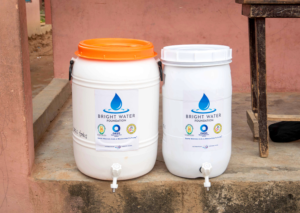
The Bright Water Foundation’s model emphasizes this step through its powerful “Teach–Test–Treat–Store” approach. After educating communities on water safety, the next phase is to test the water—right at the source and inside people’s homes. This on-the-ground testing builds trust, provides clear evidence, and guides life-saving interventions.
Why Testing Matters
Water testing is essential because contamination is often invisible. Many bacteria, viruses, and parasites can’t be detected by sight, taste, or smell. Without testing:
Communities may continue using unsafe water, unknowingly putting themselves at risk.
Efforts to educate and treat may lack urgency because people don’t realize there is a problem.
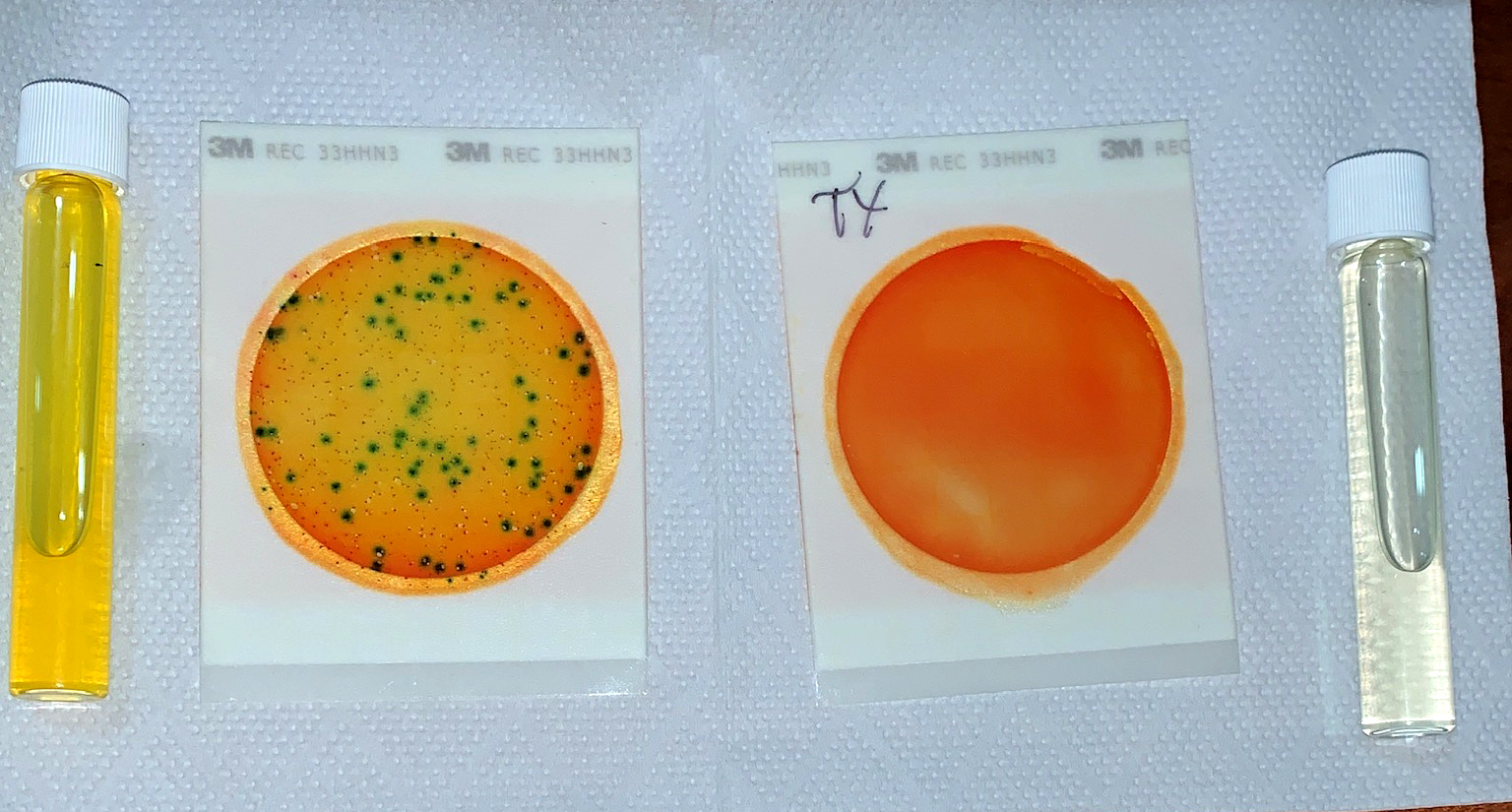
Testing brings clarity. It allows both local educators and families to see the difference between safe and contaminated water, making the need for treatment immediate and personal.
Portable, Low-Cost Water Testing Kits
One of the reasons Bright Water’s program is so effective is because it doesn’t rely on expensive laboratory setups. Instead, it uses simple, portable water testing kits that are:
Affordable: Designed to be used widely in low-resource settings.
Easy to use: Local Safe Water Educators (SWEs) can be trained in a short time to perform reliable tests.
Fast: Results often come back within hours, allowing for quick action.
These test kits typically focus on indicators like E. coli or other coliform bacteria, which signal fecal contamination. If these are present, likely that harmful pathogens are also in the water.
Monitoring Progress Over Time
Testing isn’t a one-time activity. Bright Water revisits communities at 6 months, 12 months, and beyond to:
Retest water sources and household storage.
Track improvements as families adopt safe storage and treatment practices.
Collect data to measure reductions in contamination and related illnesses.
This ongoing testing also builds accountability and helps ensure that safe water practices are maintained long-term.
A Real-Life Impact Example
In rural Ghana, after initial water tests revealed widespread contamination in household containers—even when boreholes were clean—families began adopting simple chlorination methods and covered storage containers. Follow-up tests showed dramatic improvements: fewer bacteria in household water, and fewer children falling sick with diarrhea.
Testing was the spark that motivated change. It turned abstract advice into a personal health matter.
Testing Saves Lives
Bright Water’s commitment to using portable, low-cost water-testing kits bridges a crucial gap in many underserved communities. Testing shows families the reality of water contamination, guides them toward practical solutions, and ensures that safe water isn’t left to chance.
Combined with education, treatment, and safe storage, water testing is a key pillar in breaking the cycle of waterborne disease—protecting lives, improving school attendance, and building healthier communities from the ground up.