Store – Promoting Hygienic Water Storage to Prevent Re-Contamination
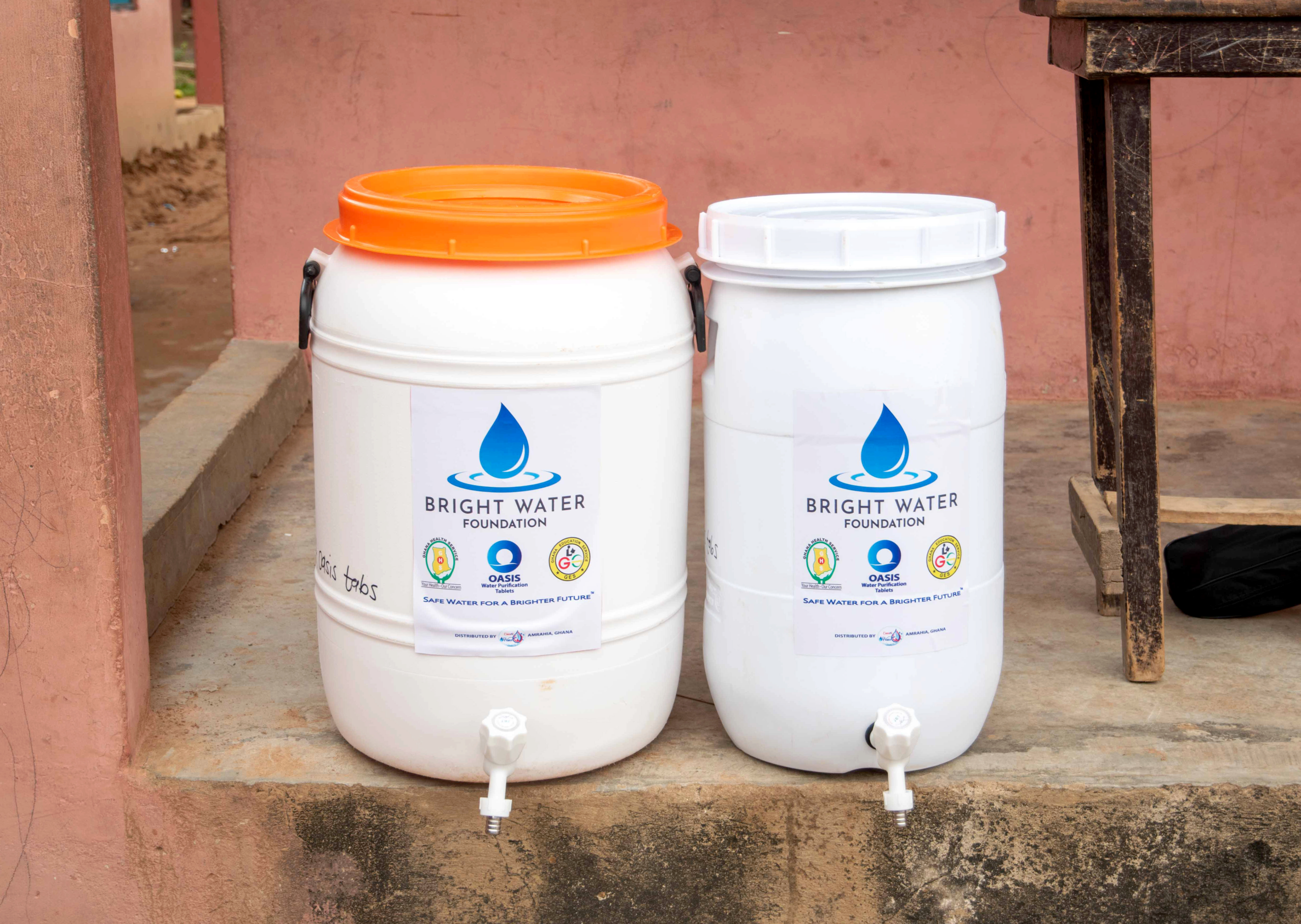
Access to safe water is critical—but often overlooked is the fact that even water that starts out safe can become dangerous by the time it’s actually consumed. After water is collected from wells, boreholes, or even after careful household treatment with chlorine, improper storage practices can quickly undo all the benefits.
That’s why the final step in the proven Teach–Test–Treat–Store model is all about promoting hygienic storage—using clean containers, lids, and safe ways to draw water. This simple but crucial focus protects families from waterborne diseases long after the initial treatment.
Why Storage Matters
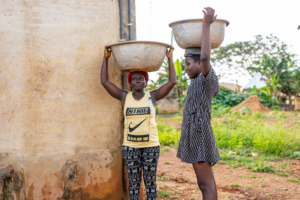
Most families in rural or under-resourced areas collect water once or twice a day and keep it in large containers in their homes. During this time, water can easily become re-contaminated, such as when:
Dirty hands or cups dip into the container.
Animals or insects come in contact with uncovered water.
Containers themselves are not regularly cleaned.
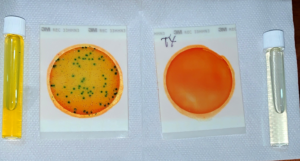
The result? Even water that tested safe at the borehole or was freshly chlorinated can become contaminated again, putting children and families right back at risk.
Benefits of Proper Storage
Protects all earlier efforts – Even if water was carefully treated, safe storage ensures it remains safe until consumed.
Prevents last-minute contamination – Especially important for young children whose immune systems are vulnerable.
Saves money and time – Fewer illnesses mean fewer days away from work or school, and less spending on medical care.
A Simple Routine that Saves Lives
Families are taught a straightforward routine:
Clean containers every few days with soap and water.
Keep containers covered with tight lids.
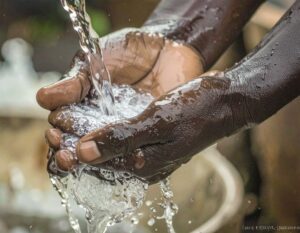
Always use a ladle or tap to pour water, never hands or shared cups.
Place containers off the ground to avoid animals or dirt contact.
These small habits dramatically cut the risk of diarrhea and other waterborne illnesses.