
Why Billions Still Lack Access—and How Bright Water Foundation Is Making a Difference
Recent data from the WHO/UNICEF Joint Monitoring Programme (JMP) underscores a growing emergency: billions more are without safe sanitation and basic hygiene, risking deepening inequality and hardship.
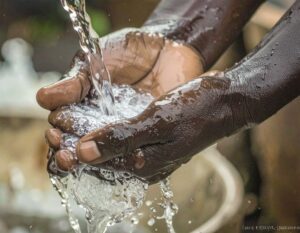
Access to safe drinking water is a basic human need for good health and productivity—yet globally, 1 in 4 people (about 2.1 billion) lack it. But there is hope. We are stepping in to help communities overcome this urgent crisis with targeted, sustainable solutions.
A Global Snapshot: Who’s Most Affected?
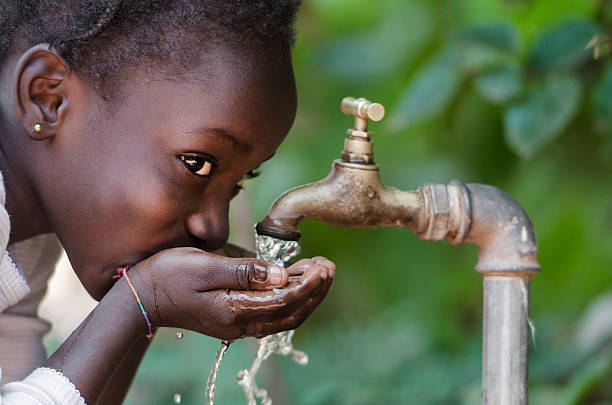
- Women and girls bear a disproportionate burden, often handling daily water collection and facing additional challenges, like lack of menstrual materials.
- The most vulnerable populations—rural residents, people in low-income or fragile settings, children, minority ethnic groups, and indigenous communities—continue to bear the brunt of inequality.
Women, girls, and vulnerable groups—such as rural residents, children, minority ethnic groups, and indigenous communities bear the greatest burden of global water inequality.

Sub-Saharan Africa: A Critical Frontline
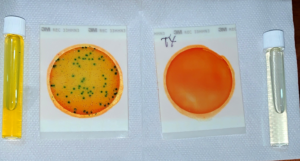
In Sub-Saharan Africa, nearly 4 out of 10 people still lack access to safe water. Beyond access, contamination is a hidden menace— Bright Water Foundation studies in Ghana have shown that nearly 9 out of 10 of rural household water supplies there are unsafe to drink, underscoring how official metrics often underestimate the scale of the crisis.
Why This Matters
Safe drinking water does more than quench thirst. It fuels health, dignity, and opportunity. Its absence stamps out poverty cycles, systemic inequality, and preventable disease outbreaks—especially among children.
Bright Water Foundation: Taking Action Where It Matters
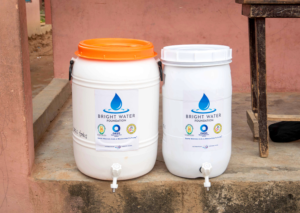
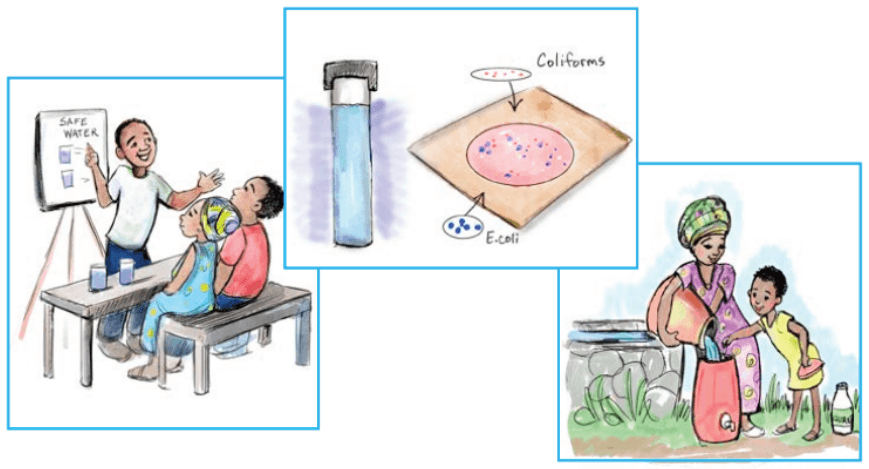
BWF solution to this issue is to one family at a time and isolation the problem to solve this issue of unsafe water
Visit our page to learn more about our vision and methodologies.
The Path Forward
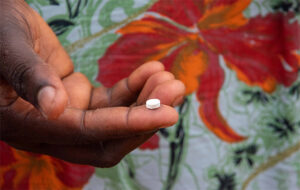
“Populations with microbiologically safe piped water tend to have the lowest mortality rates from diarrheal disease. However, piped water supplies are still scarce in many communities in low-income countries. Thus, until these services become widely available in these countries, POU [point-of-use] water treatment is a potential interim solution to the problems caused by diarrhea” [25]. Infectious Diseases of Poverty volume 9, Article number: 64 (2020)
As the world strives to meet UN SDG 6: Safe Water and Sanitation for All, the work of Bright Water Foundation serves as a hopeful interim blueprint—proof that targeted, compassionate, community-rooted action can move the needle toward safe water for all.
Reference: