Whole-Community Approach in Rural Ghana: Building Lasting Change Through Safe Water Practices
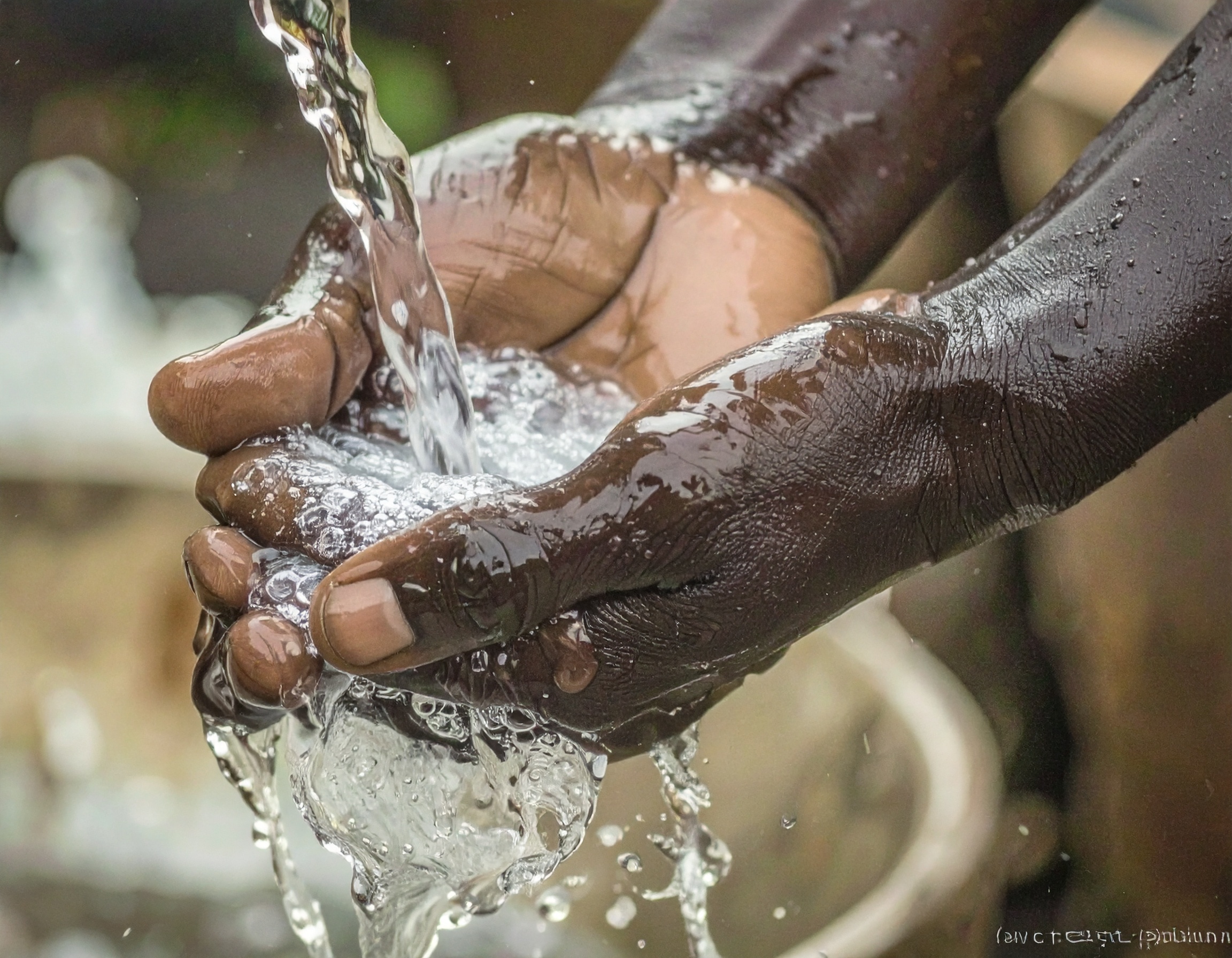
Access to safe water is a fundamental human right. But in rural Ghana, like in many communities around the world, this right faces daily threats. Water may look clear and clean, but it can still carry invisible dangers such as bacteria, viruses, and parasites that cause deadly diseases.
That’s why at Bright Water Foundation, we don’t just aim for “clean” water. We aim for safe water—water that has been tested, treated, and properly stored so it’s truly free from harmful pathogens. And to make this vision a sustainable reality, we practice a whole-community approach that goes far beyond individual households.
Why a Whole-Community Approach Matters
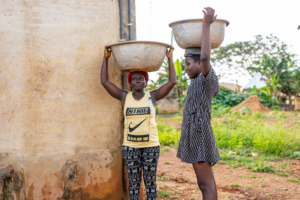
In rural areas of Ghana, water isn’t just a personal issue; it’s deeply woven into the social fabric. Community wells, boreholes, and shared storage tanks mean that one family’s practices can affect many others. Village health is a shared outcome.
Moreover, traditional authority structures—like chiefs, elders, and faith leaders—play a powerful role in shaping norms and everyday practices. Schools, health clinics, and women’s groups also serve as vital hubs of influence. Any effort to change water habits and hygiene must involve these key voices to truly take root.
Not Just Clean—But SAFE Water
In many places, water is judged by how clear it looks. But at Bright Water Foundation, we teach that clean-looking water isn’t enough. Water must be microbiologically safe. Even crystal-clear water can still harbor E. coli, cholera bacteria, or parasites.
Our message is simple: safe water is water that is:
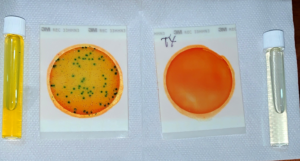
✅ Tested: using field kits to check for contamination.
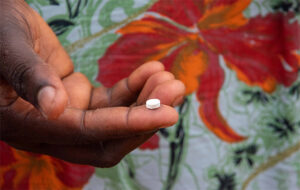
✅ Treated: with proven methods like chlorine tablets or solutions.
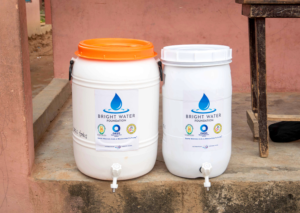
✅ Stored safely: in clean, covered containers, with hygienic drawing practices.
Strengthening Households Through Collective Change
When an entire community is on board, individual households are more likely to follow through. Mothers feel more confident treating and storing water properly when they see neighbors doing the same. Schoolchildren bring lessons home, influencing parents. Local shops start stocking chlorine tablets because demand grows.
This collective momentum transforms safe water from an outsider recommendation into a community standard—something owned and championed by the people themselves.
Real Impact in Rural Ghana
In villages where Bright Water Foundation has implemented this approach, follow-up visits show:
Dramatic drops in household water contamination.
Fewer cases of diarrhea and waterborne diseases are reported at local clinics.
Increased school attendance, since children are healthier.
Community meetings where water safety is now a regular topic—guided by local leaders, not just outside educators.
A Sustainable Path Forward
Our whole-community approach recognizes that lasting change doesn’t come from a single lesson or a single household. It comes from building a shared commitment—where local voices lead the way, trusted institutions reinforce the message, and families have the tools and understanding to keep their water truly safe, not just clean.
By weaving education, testing, treatment, and storage into the daily life of these communities, we help protect families today and empower them to protect future generations.